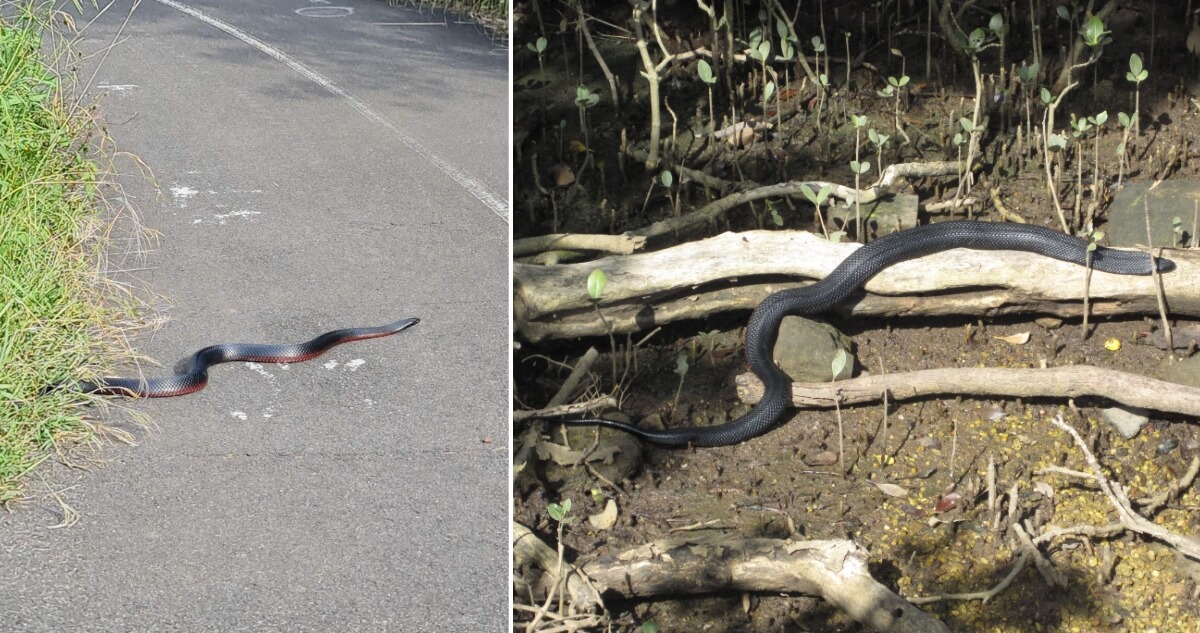
If you live near urban bushland along Australia’s eastern mainland and enjoy the occasional bushwalk, chances are you’ve crossed paths with one of our most frequently encountered reptiles — the Red-bellied Black Snake.
Check out a recent encounter by a Park visitor here © Susan Leeves
These iconic snakes are shy and will typically retreat if they sense a human coming their way.
But of course, they can’t remain hidden all the time!
They have lives to live, moving around to seek the resources they need.
Hunting
Red-bellied Black Snakes start out small and hungry, emerging from their egg weighing about 20 grams and about 20cm in length. These snakes grow rapidly in their first year and continue to grow until they reach approximately 1.5-2m in length and 2.5kg. This requires a lot of food!
These opportunistic carnivores are active hunters, feeding on frogs, lizards, small mammals, and other snakes. They are also fantastic allies when it comes to pest control, hunting rodents such as mice and rats.
Digesting
Red-bellied Black Snakes are ectothermic, relying on external heat sources such as the sun to regulate their body temperature. They are most active during the warmer months and will move between sunny and shaded spots to maintain an optimal body temperature of around 28–31°C. This temperature range allows them to effectively digest their prey.
Searching for a mate
You’re especially likely to spot one during the breeding season. At this time, males travel widely in search of females, moving over 1km in a single day!
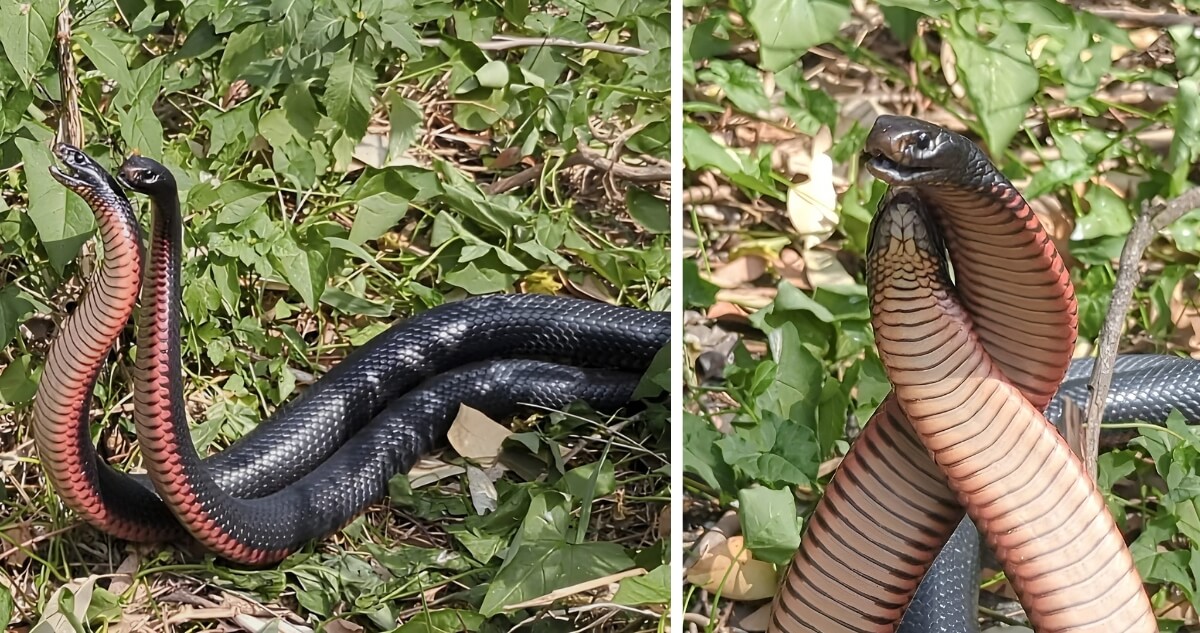
On their search they may also engage in combat with rival males. These encounters involve both snakes rearing up, spreading their necks and entwining their bodies in a slow, powerful contest of strength. The aim is not to bite, but to overpower and pin the opponent. Eventually, a clear winner emerges and the defeated male retreats from the area and continues his search for a female elsewhere.
Living with Red-bellied Black Snakes
Snakes, like all other native wildlife, are protected under law (NSW Biodiversity Conservation Act 2016).
With knowledge and respect, we can co-exist with this fascinating species by being snake-sensible:
- Pay attention to your surroundings while enjoying your walk in the Park or in other natural areas
- Keep your pet on leash and supervise your children
- Wear covered shoes and stay out of snake habitat (long grasses, log and rock piles, ponds) to avoid surprising a snake
- If you see a snake, do not approach it, as most snake bites happen when the snake feels threatened. Back away slowly so it has the opportunity to escape
- If you suspect you have been bitten, phone 000 and seek medical help immediately.
If you see a snake, please report the location and appearance of the snake via enquiries@sopa.nsw.gov.au if you’re able to observe it from a safe distance, to help us collect more information about these amazing creatures.
You might also be interested in...
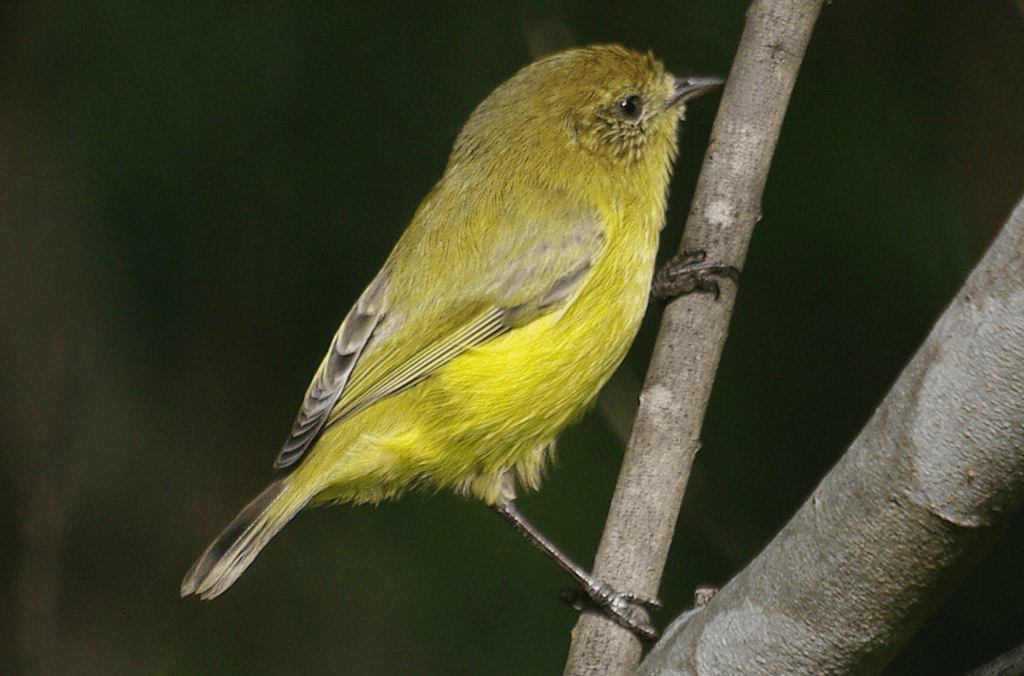

Sydney Olympic Park is home to some record-breaking avian athletes and oddities.