To mark World Wetlands Day on the 2nd of February, we’re shining a spotlight on the unique and diverse wetland ecosystems found at Sydney Olympic Park, where to find them, how we actively care for them, and how you can help.
Estuarine Wetland Communities
Mangroves
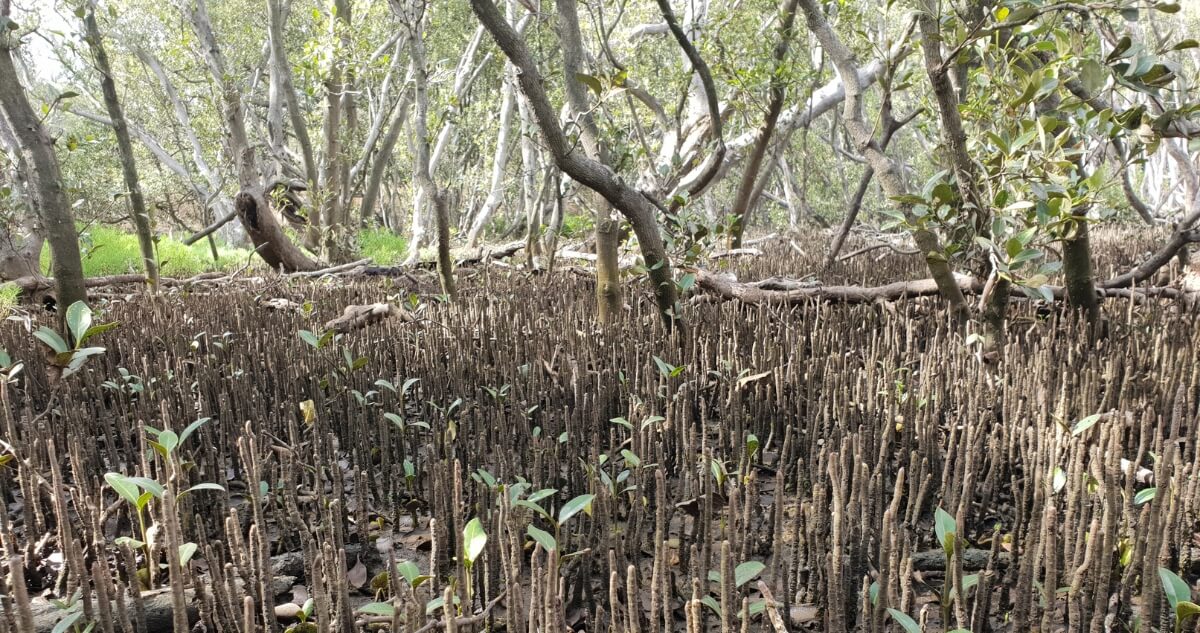
Mangrove forests occur in tidal zones where saltwater and freshwater mix. These wetlands stabilise shorelines, trap sediments, provide nursery habitat for fish and crustaceans, and support a wide range of bird species. At Sydney Olympic Park, they are dominated by Grey Mangrove (Avicennia marina), with River Mangroves (Aegiceras corniculatum) also present.
Where are they? Badu Mangroves, Newington Nature Reserve Wetland, and Haslams Creek
Management focus: Reviving internal channels to improve tidal water flow and reduce stagnant water pooling, removing and disposing of rubbish carried in from upstream, and keeping a close eye on the overall health of mangroves.
Coastal Saltmarsh
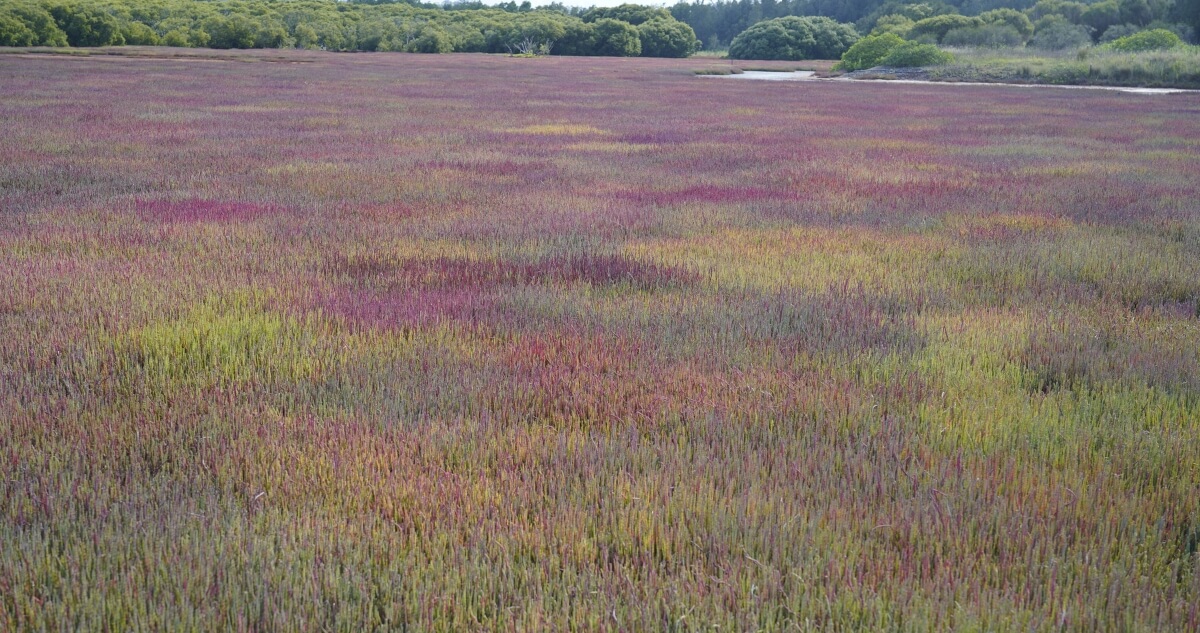
Coastal saltmarshes are low‑lying, salt‑tolerant plant communities that are regularly flooded by tides. This threatened ecosystem plays an important role as feeding and roosting habitat for migratory shorebirds, as well as a breeding ground for crustaceans and other benthic organisms. Ten saltmarsh plant species are found at Sydney Olympic Park, with the most notable being Narrow-leafed Wilsonia (Wilsonia backhousei), which is listed as a vulnerable species in NSW.
Where are they? Badu Saltmarsh, Waterbird Refuge, Newington Nature Reserve Wetland, and Haslams Creek Flats
Management focus: Controlling weeds, regulating tidal inundation, limiting mangrove encroachment into Coastal Saltmarsh habitats, protecting from trampling, removing and disposing of rubbish carried in from upstream, closely monitoring the vegetation to ensure the ecosystem stays healthy and thriving.
Tidal Mudflats
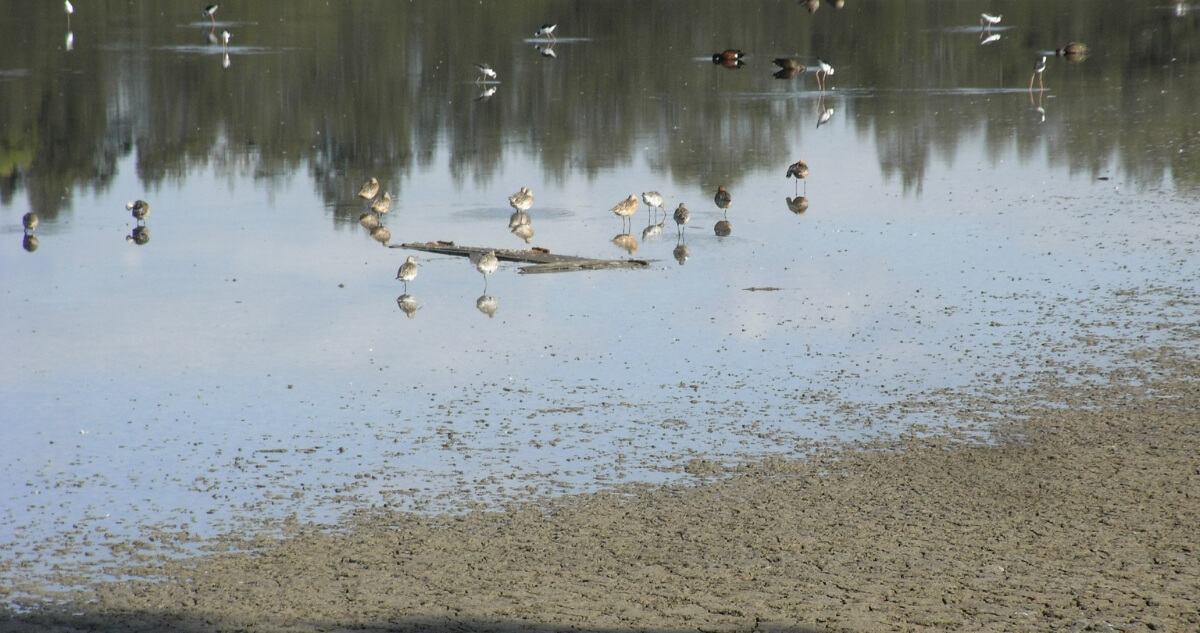
Tidal mudflats are broad, flat areas of exposed sediment revealed at low tide. They are rich in invertebrates such as worms, molluscs, and crabs, making them essential feeding grounds for wading birds. Mudflats also play a role in filtering water and supporting estuarine food webs. Mudflats in Sydney Olympic Park support a diverse array of species, including migratory shorebirds like the Bar-tailed Godwit (Limosa lapponica) and Sharp-tailed Sandpiper (Calidris acuminata).
Where are they? Waterbird Refuge, Billabong Pond, Newington Nature Reserve Wetland, Haslams Creek Flats, and Wharf Pond
Management focus: Managing tidal water flow, limiting light and sound pollution, controlling weeds, regularly monitoring the size and health of wildlife populations to ensure the ecosystem remains balanced and healthy.
Freshwater Wetlands
Freshwater Ponds, Marshes & Constructed Wetlands
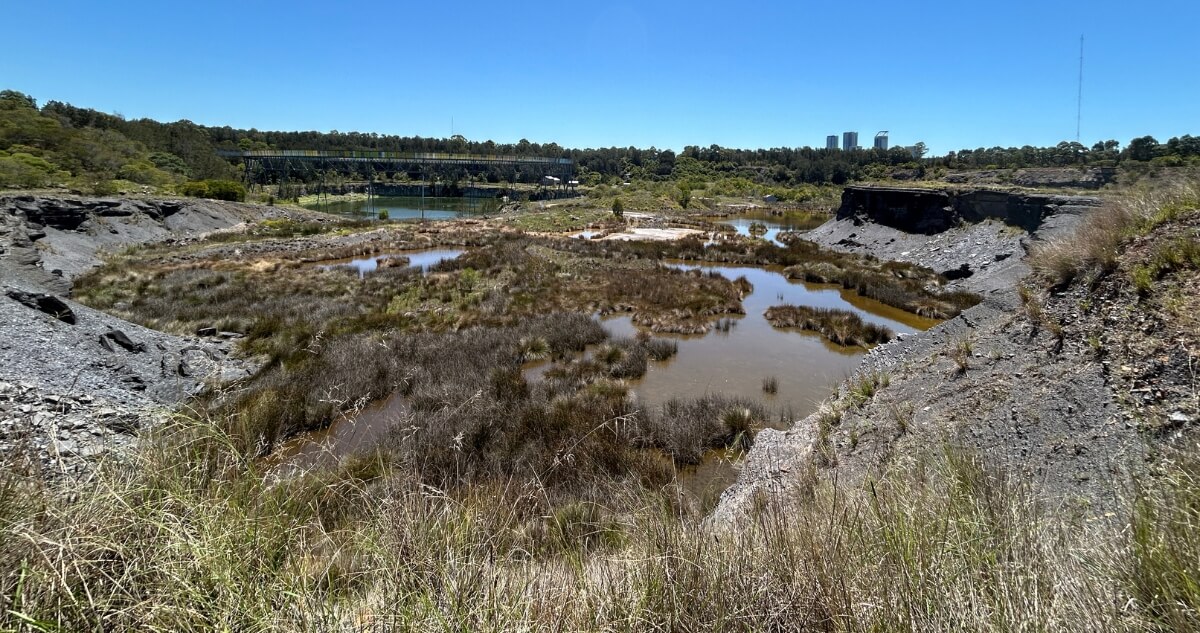
These wetlands include permanent (perennial) and seasonal (ephemeral) freshwater bodies that support aquatic plants, frogs, insects, and waterbirds. At Sydney Olympic Park, they provide critical breeding and feeding habitat for waterbirds, frogs, and microbats. They also provide important summer feeding ground for Latham’s Snipe (Gallinago hardwickii), with the Park’s wetlands listed as nationally significant for this migratory shorebird. Across the Parklands there are also more than 100 ponds within 120 hectares managed as habitat for the endangered Green and Golden Bell Frog (Ranoidea aurea).
Where are they? Narawang Wetland, The Brickpit, Wentworth Common, Kronos Hill, Northern Water Feature, Lake Belvedere, Boundary Creek, Blaxland Riverside Park, and Wilson Park Wetlands.
Management focus: Active management within frog habitats includes ongoing vegetation management and weed control, pond hydrology management, monitoring habitat health, Gambusia control, habitat enhancement works, seasonal draining of constructed ponds to replicate natural fluctuations in ephemeral waterbodies, and management of visitation activities.
How Can You Help?
- Do not feed wildlife as this leads to various issues, including malnutrition and long-term deformities. Remember, wildlife in these habitat areas have plenty of their natural food available to them.
- Stay on designated pathways to avoid trampling of habitat and introduction of weeds, pests or diseases.
- Make sure you keep your dog out of ‘dog prohibited’ wetland areas where the presence of dogs disturbs and distresses native wildlife (even if the dog is on a lead). There are designated and fenced off-leash areas for dogs in the Parklands with more information here.
- Keep your cats indoors. Cats are one of the leading causes of animal extinctions in Australia, with roaming pet cats killing an average of 110 native animals each year. Indoor-only cats also live, on average, 10-12 year longer than outdoor cats. Cats are not allowed anywhere in the Parklands.
- Don’t let your rubbish escape into the environment, keep it secure until you bin it.
- Report pollution incidents that threaten to cause material harm to the environment to NSW Environmental Protection Authority (131 555).
You might also be interested in...
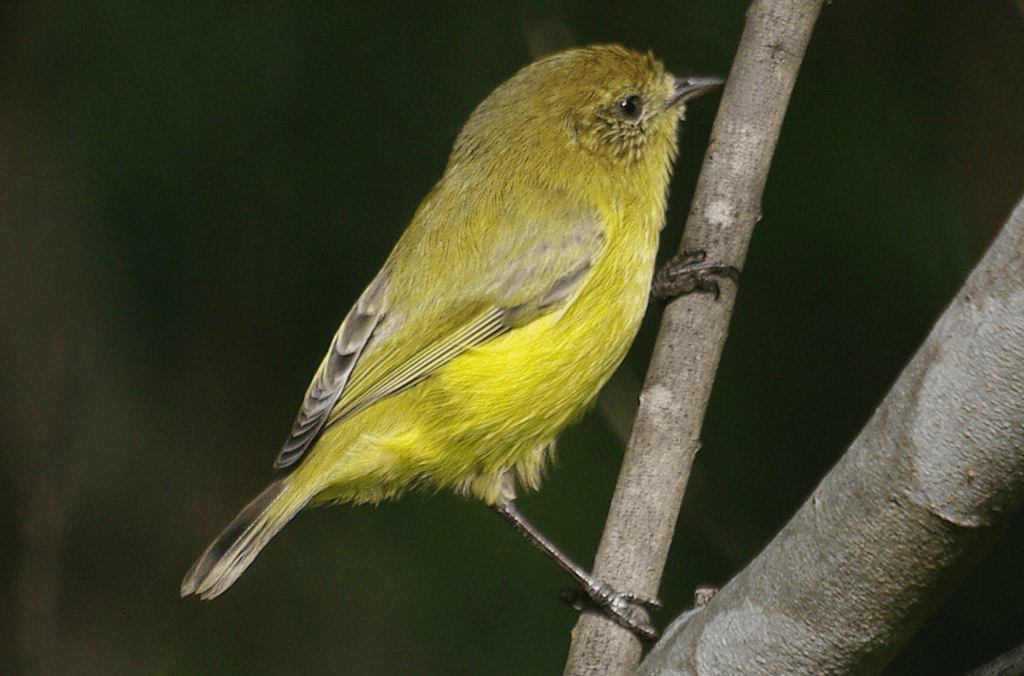

Sydney Olympic Park is home to some record-breaking avian athletes and oddities.